Problem Observed
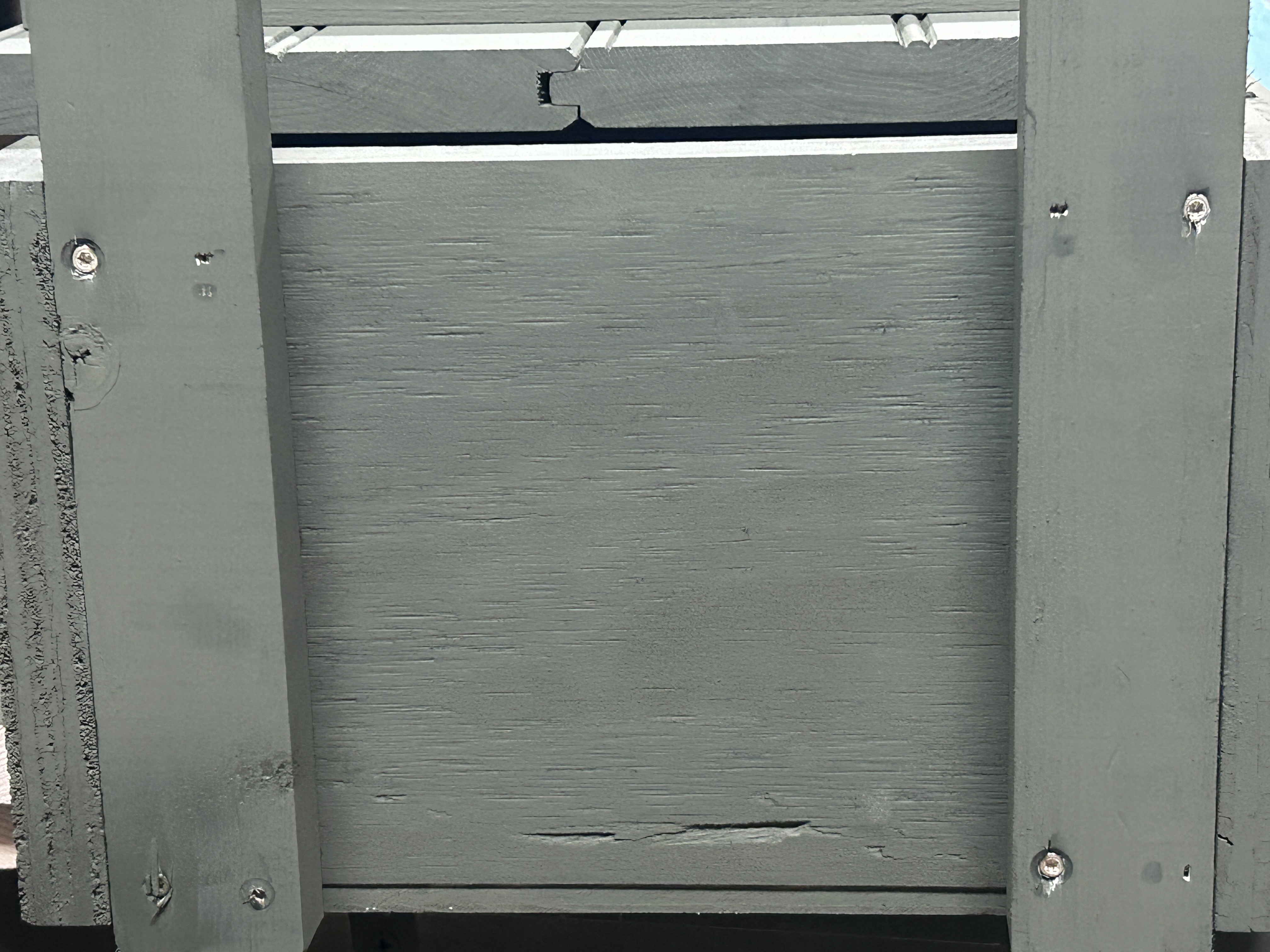
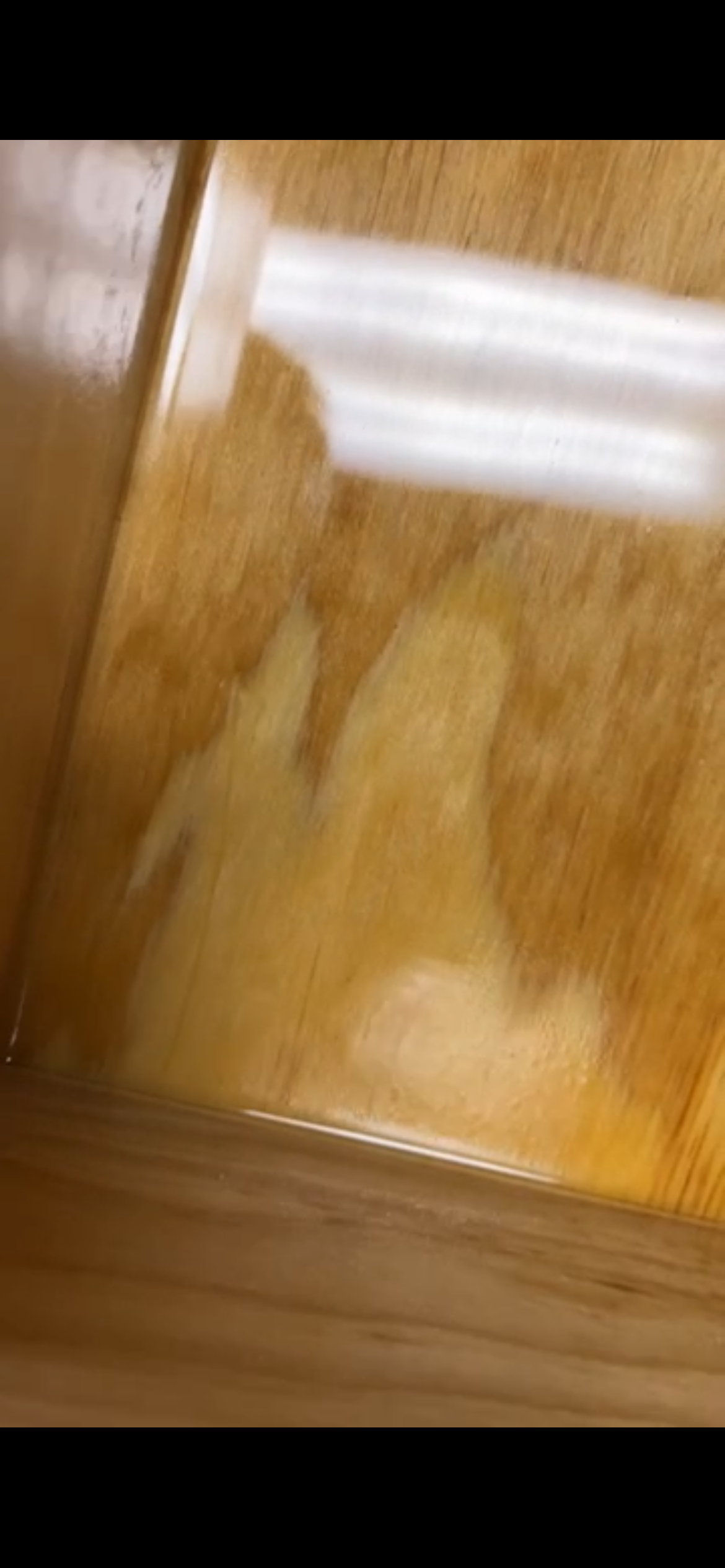
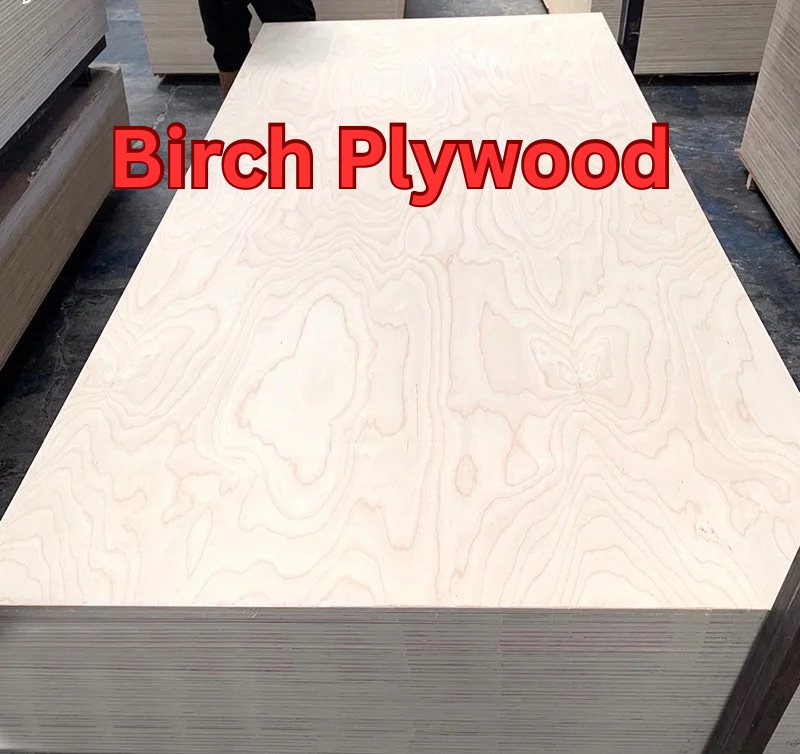
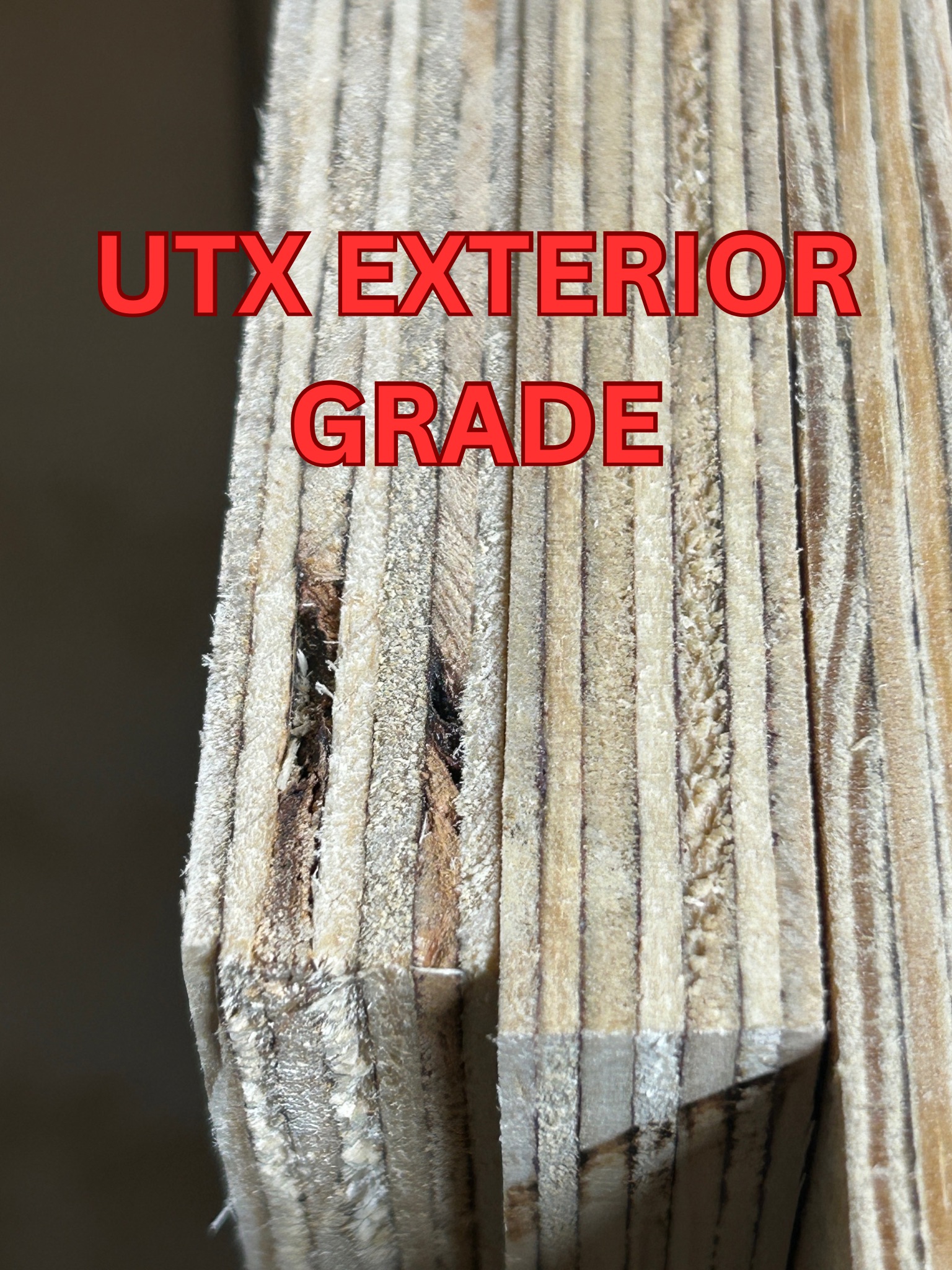
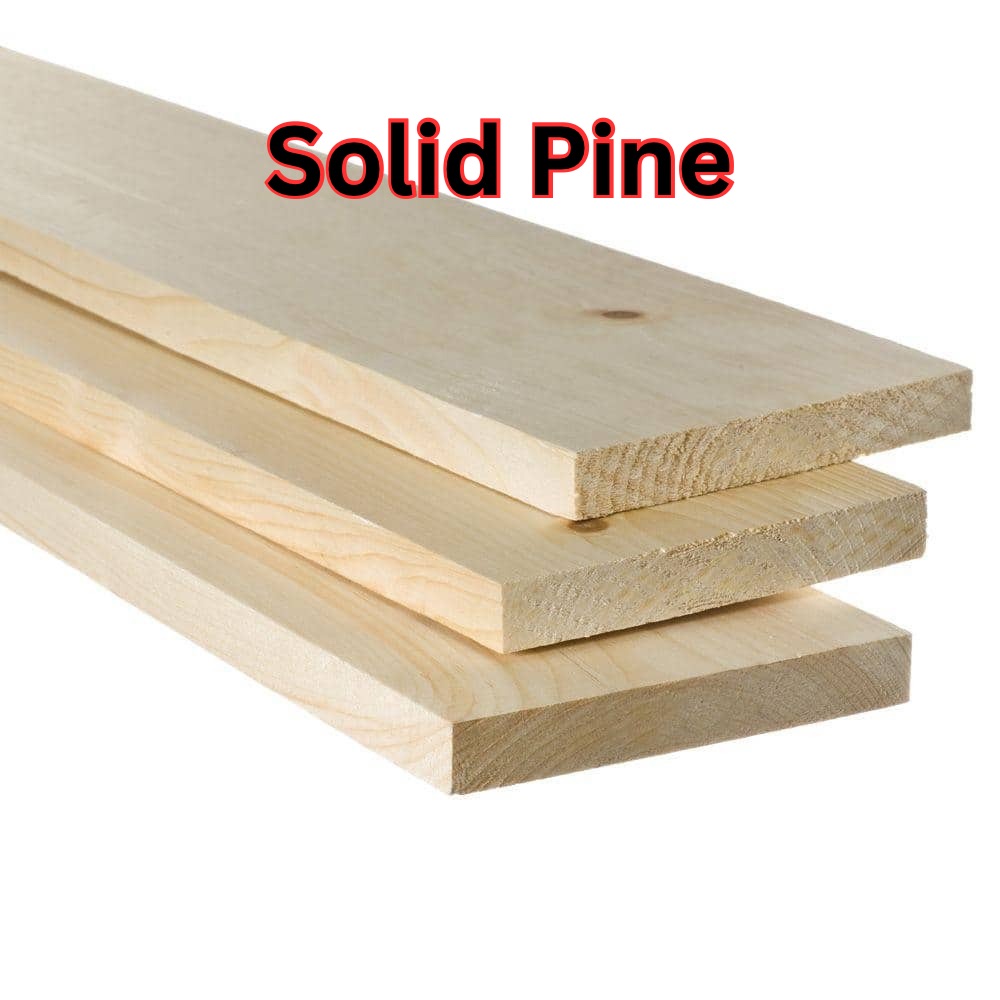
Painting directly onto raw wood created inconsistent results. Because each board can have different moisture content,
density, grain behavior, and surface absorption, the paint did not always bond the same way from box to box.
- Some boards accepted the paint cleanly with no issue.
- Other boards allowed the paint to lift when vinyl stencils were peeled away.
- Stencil removal could pull the base paint off the wood, damaging the finish and ruining otherwise clean lettering.
- When this happened, the affected area had to be repaired, repainted, dried, and re-stenciled.
Why This Became a Production Problem
Hand-stenciling already requires careful alignment, application, paint control, and peel timing. When the base coat lifted
with the vinyl, it turned a normal stencil job into a repair job. In some cases, this nearly doubled the time needed to finish
a box because the same surface had to be sanded, touched up, repainted, and re-stenciled.
Surface Preparation Before Priming
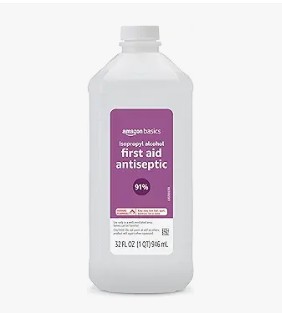
Before primer application, the wood surface is flashed and wiped down using
91% isopropyl alcohol. This removes fine sanding dust,
surface oils, shop contaminants, and residue that may interfere with primer adhesion.
- Wood is fully sanded before cleaning.
- 91% isopropyl alcohol is applied to a clean cloth and wiped across the surface.
- The alcohol rapidly flashes off and leaves the surface dry for primer application.
- This process helps improve primer bite and overall coating consistency.
Surface cleaning became increasingly important after discovering that different boards reacted differently to paint and stencil adhesion.
Reducing contaminants and normalizing the surface before priming helped create more repeatable results from box to box.
Process Change
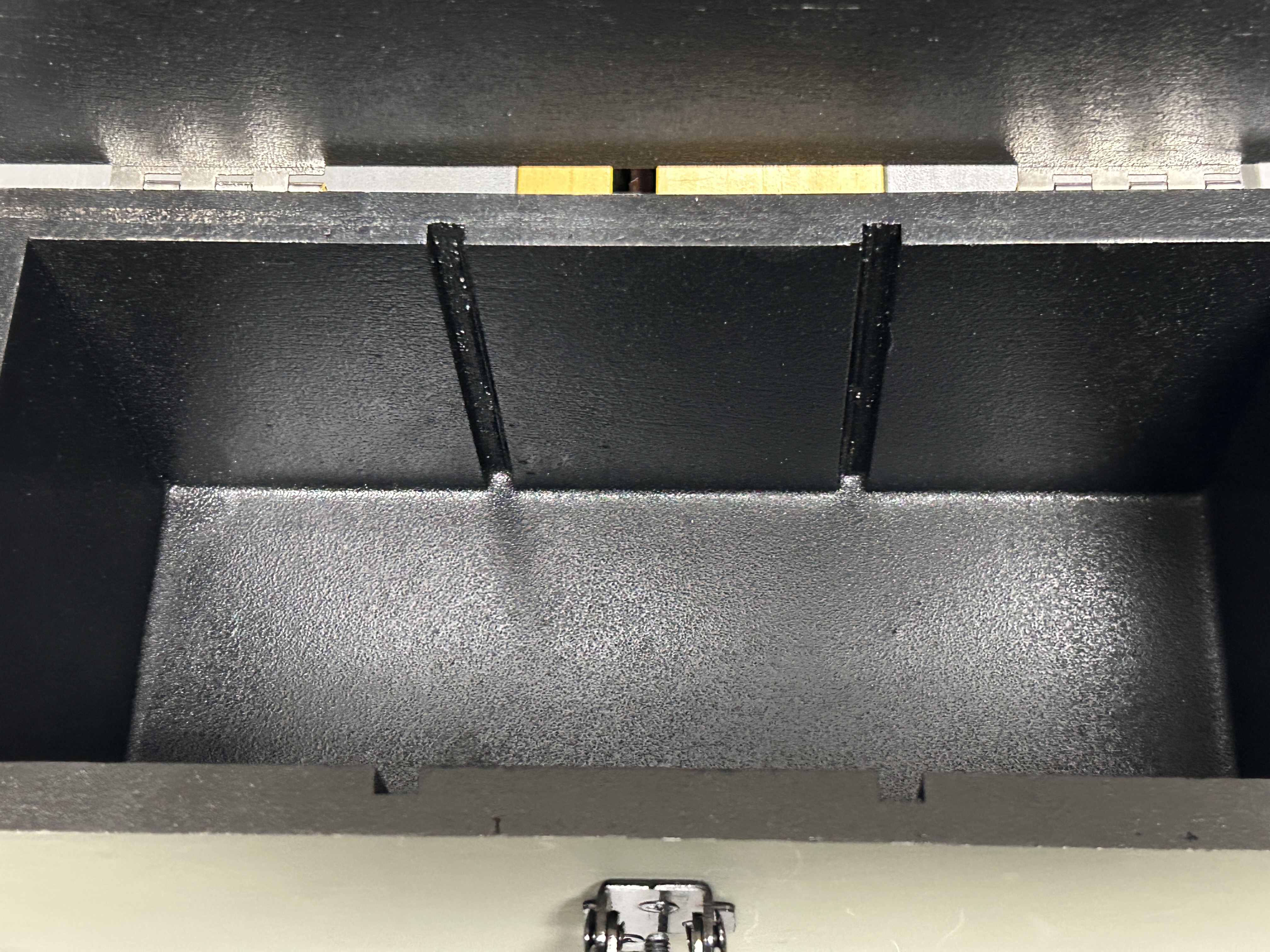
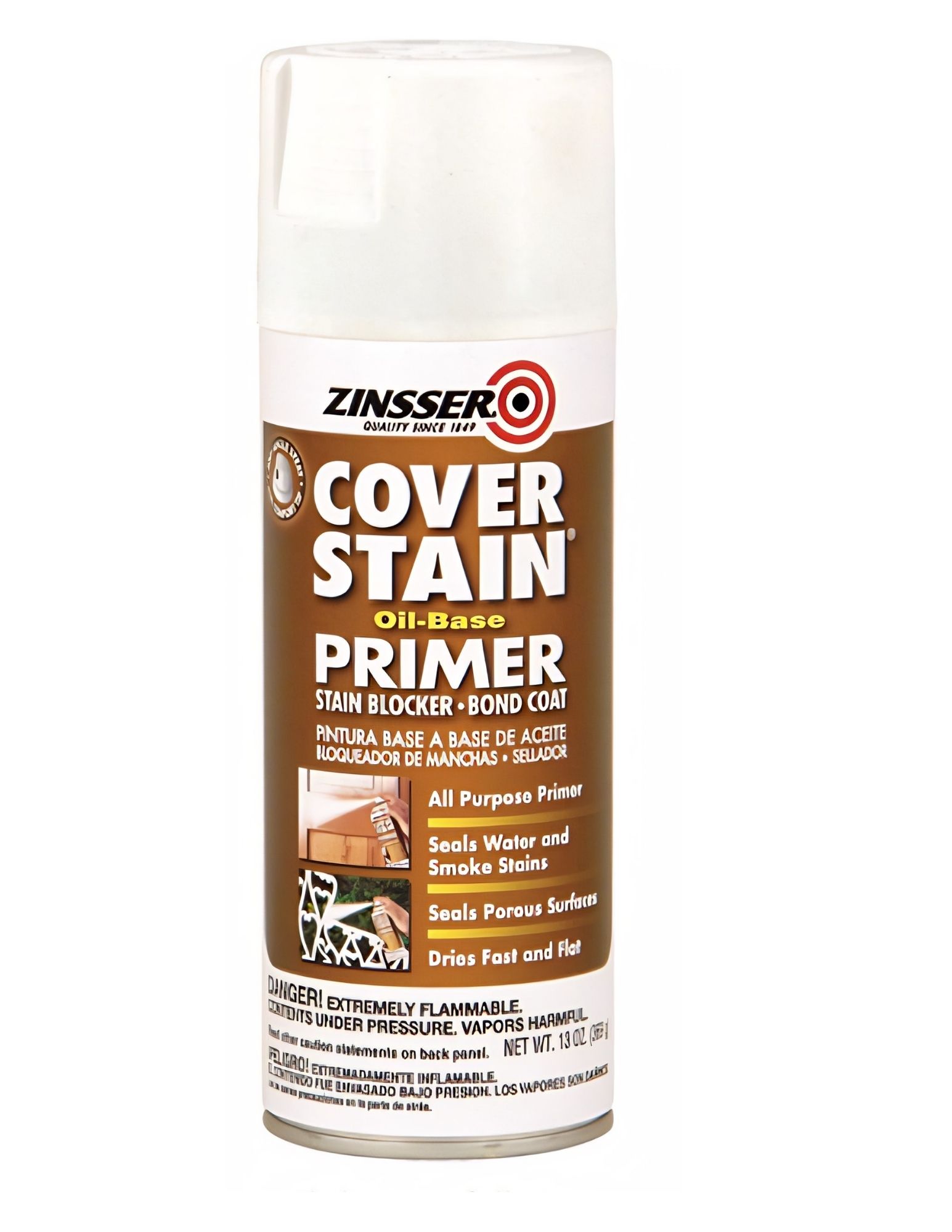
The updated process uses Zinsser Cover Stain Oil-Base Primer (Model 3608)
before the OD green ultra-flat paint is applied. This heavy oil-based primer creates a far more
consistent bonding surface and helps isolate the finish coat from the natural variability of the wood.
- Apply oil-based primer to the wood first.
- Allow primer to fully dry before painting or stenciling.
- Apply OD green ultra-flat paint over the cured primer.
- Apply and peel vinyl stencils after the paint system has properly dried.
Time Trade-Off
The primer step adds a full-day delay because the primer must be completely dry before moving into painting and stencil work.
However, the added cure time saves time in the long run because it greatly reduces paint pull, stencil failures, and rework.
Paint Efficiency Benefit
Primer also reduces the amount of OD green ultra-flat paint needed. Instead of applying multiple coats to raw wood to get
even coverage, the box can be finished with a single coat of OD green paint over primer.
Surface Build Thickness & Finish Quality
One major advantage of the Zinsser Cover Stain oil-base primer is its heavy-bodied consistency.
Unlike thinner primers that simply soak into the wood, this primer creates a noticeable surface build layer
over the grain of the wood.
- The thick primer helps fill and soften natural grain texture and small surface inconsistencies.
- After curing, the surface can be lightly sanded smooth before the OD green finish coat is applied.
- This produces a flatter, cleaner finish with less visible grain telegraphing through the paint.
- The smoother surface also improves vinyl stencil adhesion and reduces the chances of paint lifting during stencil removal.
On raw wood, heavy grain lines and porous areas can create uneven paint edges and weak stencil adhesion points.
Building a thicker primer layer effectively creates a more controlled and uniform painting surface.
The final result is a smoother military-style finish with sharper stencil lines, more predictable paint adhesion,
and reduced rework during production.
Cost Impact vs. Finish Quality
Adding the primer process increased production cost because it introduced an entirely new material and labor step
into the manufacturing workflow. The boxes now require:
- Surface cleaning with isopropyl alcohol.
- A full coat of Zinsser Cover Stain oil-base primer.
- Additional drying and curing time before painting and stenciling.
- Extra sanding and finish preparation between coating stages.
This added both direct material cost and additional production time. However, the trade-off is that the customer receives
a significantly more durable and refined paint system with smoother finishes, sharper stencil lines, and much better long-term adhesion.
This is one of the hidden realities behind many American-made products:
small process improvements that increase quality often increase manufacturing cost at the same time.
In large-scale manufacturing, those costs are frequently passed directly to the consumer.
Freedom Crate Co. attempts to minimize these increases as much as possible. In this case,
a slight price increase became necessary to offset the cost of the primer system,
but the increase was intentionally kept modest.
One reason the increase could be minimized is because the primer reduced overall OD green paint consumption.
Before priming, some boxes required multiple coats of green paint to achieve consistent coverage on raw wood.
After switching to the primer system, most boxes could achieve full coverage with a single coat of OD green paint.
The reduced paint usage helped offset part of the primer cost and kept the final customer price increase lower than it otherwise would have been.
Current Working Conclusion
Heavy oil-based primer is now considered a major process improvement for painted and stenciled boxes.
It improves stencil reliability, reduces paint pull, creates more predictable finish results across different wood batches,
and saves labor over the full production cycle even though it adds drying time up front.